
It is undeniable that Chinese is one of the most universally spoken languages be it in China, Taiwan, Hong Kong, Singapore and more. Besides numerous Chinese local dialects in China, the language can be categorized into two: Traditional and Simplified Chinese. The two languages are different in many angles and usage.
Before we go further down the road, you may have heard about Mandarin and Cantonese. To iron this out, Mandarin and Cantonese are the two main verbal dialects. When it comes to written language, they call it Simplified and Traditional Chinese. The table below shows how each country or region has a different written and spoken language.
| Location | Written language | Spoken language |
| China Mainland | Simplified | Mandarin & Cantonese |
| Hong Kong and Macau | Traditional | Cantonese |
| Taiwan | Traditional | Mandarin |
| Singapore | Simplified | Mandarin |
| Malaysia | Traditional | Mandarin & Cantonese |
Not to confuse you further, in this article, we will only discuss the main differences between Traditional and Simplified Chinese and what does that mean for us in the market of Chinese translation service.
The way it is written
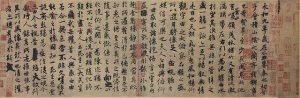 Traditional and Simplified Chinese are the two main writing systems that are a base for their hundreds of dialects. The way both languages are written is one of the first things that can help you differentiate. Since 1956 and in 1964, the Chinese government initiated the Chinese writing reformation in order to make it easier for people to read and write. They “simplified” it by reducing, reshaping and rebuilding the characters while trying to maintain the key structures of each character. And this is only the beginning of the bigger change at a later stage.
Essentially, Simplified Chinese uses fewer characters and fewer brushstrokes than Traditional Chinese.
For example:
| English | Simplified Chinese | Traditional Chinese |
| Glossary | 词汇 | 詞彙 |
| Hair | 头发 | 頭髮 |
| Open | 开启 | 開啟 |
| Browse | 浏览 | 瀏覽 |
| Label | 标签 | 標籤 |
| Release | 发布 | 發佈 |
| History | 历史 | 歷史 |
| Converge | 汇聚 | 匯聚 |
| Refresh | 刷新 | 重新整理 |
| Click | 点击 | 按一下 |
| Internet | 互联网 | 網際網路 |
Additionally, Simplified Chinese uses the same character in many vocabularies while that is different in Traditional Chinese.
For instance:
| English | Simplified Chinese | Traditional Chinese |
| Clean | 干净 | 乾淨 |
| Dry | 干燥 | 乾燥 |
| Trunk | 树干 | 樹幹 |
| Interfere | 干扰 | 干擾 |
Where it is used
 It is essential that both Traditional and Simplified Chinese are used at the right country/region and to the right audiences. Wrong selection of language could lead to misinterpretation and thus, misunderstanding which no one would want. Generally, Traditional Chinese is still used in Hong Kong, Macau, Taiwan and Malaysia whereas Simplified Chinese is used in mainland China, Singapore. It’s also interesting to know that most educated Chinese in China mainland can understand Traditional Chinese as it’s a compulsory course to learn the original Chinese in their middle and high school.
The Style
You may be familiar with British English and American English where choices of words and spelling are different. Similarly, one word in Traditional could mean something else in Simplified Chinese. This is because after the reformation, the people, culture and geographical factors have played their role in evolving the language.
Such as:
| English | Simplified Chinese | Traditional Chinese |
| Information | 信息 | 資訊 |
| Default | 默认 | 預設 |
| Link | 链接 | 連結 |
| Menu | 菜单 | 功能表 |
| character | 字符 | 字元 |
| log in | 登录 | 登入 |
| software | 软件 | 軟體 |
| Printer | 打印机 | 印表機 |
Traditional and Simplified Chinese are similar yet distinct in their own cultural implications. At 1-StopAsia, we understand these differences; our Project Managers carefully select the most suitable resources considering both source language and target language. The end result is simply the optimized translation that embraces correct meaning for your target audience. Contact us today to discuss your project, get a free quote or learn more about other Asian languages and culture in our blog here.