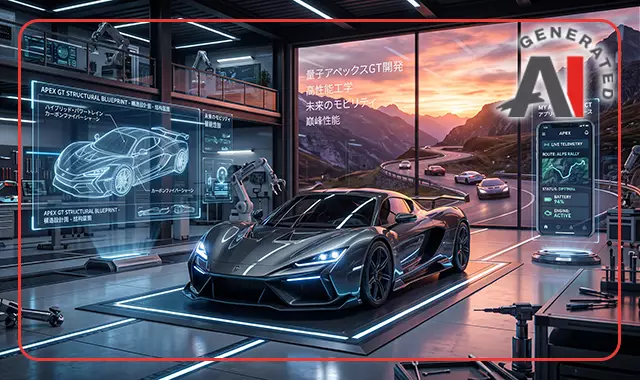
AI Overview
| Category | Summary |
| Topic | Elevating regional after-sales engineering manuals, connected-car telematics content, and exclusive VIP event communication through specialized linguistic workflows and terminology management. |
| Purpose | To demonstrate how a multi-track localization framework can ensure linguistic precision and brand consistency across technically complex, digitally enabled, and lifestyle-driven content streams in automotive markets. |
| Key Insight | Effective localization requires distinct approaches: aerospace-grade technical accuracy for repair documentation, adaptive translation for connected-car software UI, and creative transcreation for high-end luxury event narratives, all underpinned by centralized terminology control. |
| Best Use Case | Automotive OEMs or luxury brands expanding into multilingual Asian markets needing to localize technical manuals, digital telematics content, and premium customer experience campaigns simultaneously. |
| Risk Warning | Generic or fragmented translation workflows risk safety hazards, inconsistent user experiences, and dilution of brand prestige, due to terminology drift, literal text translations, and lack of centralized linguistic governance. |
| Pro Tip | Implement specialized, SME-driven localization tracks with tailored QA processes and dynamic terminology management, combining technical linguists, software UI experts, and creative native transcreators to preserve precision, clarity, and emotional resonance. |
I. Shifting Gears: The Post-Launch Ecosystem
In Part 1 of this case study series, we explored how a premier global luxury automotive manufacturer successfully navigated the initial hurdles of regional market entry, balancing complex regulatory compliance with localized consumer research. But securing regulatory clearance and launching a vehicle represents only the first milestone in the automotive lifecycle.
Part 2 examines the critical phase that follows: scaling the ultra-premium ownership experience. As an iconic supercar OEM expanded its presence across target Asian markets requiring Traditional Chinese, Simplified Chinese, and Japanese, they encountered a multi-dimensional localization bottleneck. They needed to simultaneously localize three distinct content streams:
- Heavy structural repair and bodyshell manuals for certified dealership technicians.
- Dealer enablement training for proprietary connected-car telematics and mobile companion apps.
- Emotionally resonant transcreation for exclusive, invite-only driving rallies.
Managing this spectrum – moving seamlessly from the high-precision environment of a master workshop to the bespoke luxury of an exclusive driving tour, required a language service provider capable of deploying specialized workflows across fundamentally different linguistic disciplines.
II. Diagnosing the Multilingual Roadblocks
When auditing the OEM’s regional post-launch content operations, three distinct friction points emerged where traditional, generic translation workflows caused operational stalls:
1. The Technical Precision Deficit
Repairing a modern supercar requires aerospace-grade structural engineering. Regional dealerships and technical training academies rely on highly specialized documentation, including structural steel welding, chassis alignment, and dent repair manuals. Mistranslating terms related to ultra-high-strength hot-formed steel (>1400 MPa), load paths, or aluminum alloy casting creates severe safety hazards, increases product liability, and risks vehicle structural integrity during repairs.
2. The Digital Telematics & UI Disconnect
The modern hypercar functions as an advanced connected device. The brand rolled out a connected-car ecosystem and an exclusive owner’s companion app to regional dealers, covering features from Over-The-Air (OTA) infotainment updates and 3D city navigation to remote climate activation and geofencing security alerts. Translating software UI strings and technician training decks required a tech-savvy approach that avoided rigid, literal phrasing and fit within constrained mobile and in-vehicle displays.
3. The Lifestyle & VIP Tone Void
Supercar ownership extends beyond the vehicle itself. Communications for the brand’s exclusive owner rallies demanded evocative, narrative prose. A word-for-word translation of heritage driving itineraries stripped the prestige and emotional pull required to engage high-net-worth luxury consumers.
III. Identifying Root Operational Bottlenecks
Looking beyond immediate text execution, our consultative team identified two core structural bottlenecks within the OEM’s regional operations:
1. Fragmented Content Formats & Workflows
The OEM was managing vastly different file types and asset classes without unified oversight. A single rollout required processing complex multi-tab spreadsheets for Pre-Owned Dealership Assessments, heavy layout files (InDesign/PDF) for a next-generation hybrid hypercar press release, and legally binding text for regional New Car Warranty handbooks. Without a centralized linguistic hub, tone and terminology diverged across departments.
2. Terminology Drift in Emerging Vehicle Tech
Automotive technology moves rapidly. Lacking a centralized, dynamically updated glossarium, different regional translation teams applied inconsistent localized terms for proprietary features, such as secure digital key ecosystems, hybrid powertrain drive modes, and mobile app telemetry functions, causing confusion for both dealer staff and owners.
IV. The Multi-Lane Strategic Framework
To eliminate these bottlenecks, 1-StopAsia deployed a Tri-Track Localization Architecture. This framework matched every content type with specialized subject matter experts (SMEs), tailored quality assurance (QA) loops, and dedicated terminology management:
Track A: Engineering & Compliance (Technical Workshop & Legal)
 For technical service manuals, structural repair guides, and legal warranty documentation, we deployed an engineering-focused translation workflow:
- Applied strict terminology management using a brand-specific master glossary maintained by mechanical engineering linguists.
- Utilized automated QA check tools to verify numeric values, torque units, and safety warning tags.
- Guaranteed 100% precision for repair procedures, load-path integrity instructions, and warranty coverage terms.
Track B: Telematics & Digital UI (Connected Ecosystems & Software)
For connected-car software and dealer training collateral:
- Assigned linguists specializing in automotive software UI/UX and mobile apps.
- Adapted telematics feature matrices and training decks to ensure terms like Remote Vehicle Status Reports, Valet Alerts, and Over-The-Air Updates were natural, clear, and concise for Asian dealership staff and vehicle owners.
Track C: Concierge-Grade Transcreation (VIP Lifestyle & Brand Campaigns)
For flagship hypercar press releases and exclusive owner club driving tours:
- Replaced direct translation with creative transcreation led by native copywriters.
- Captured the visceral excitement of high-performance driving and luxury travel, delivering polished, culturally aligned copy that preserved brand prestige.
V. Driving Business Outcomes
By segmenting content streams and applying dedicated localization pipelines, this strategic framework delivered clear operational benefits for the OEM’s Asian market operations:
- Zero-Defect Technical Compliance: Centralized terminology enforcement and automated QA checks eliminated error risks across structural repair manuals and warranty documentation, enabling certified dealer technicians to perform complex structural repairs safely.
- Streamlined Dealership Enablement: Successfully localized extensive dealer network surveys, financial service guides, and operational assessment matrices across Japanese and Chinese markets, providing headquarters with clean, actionable business intelligence data.
- Unified Brand Presence Across Touchpoints: Established a consistent brand voice across all touchpoints – from legal warranty disclosures and smartphone telemetry screens to high-end lifestyle event collateral.